
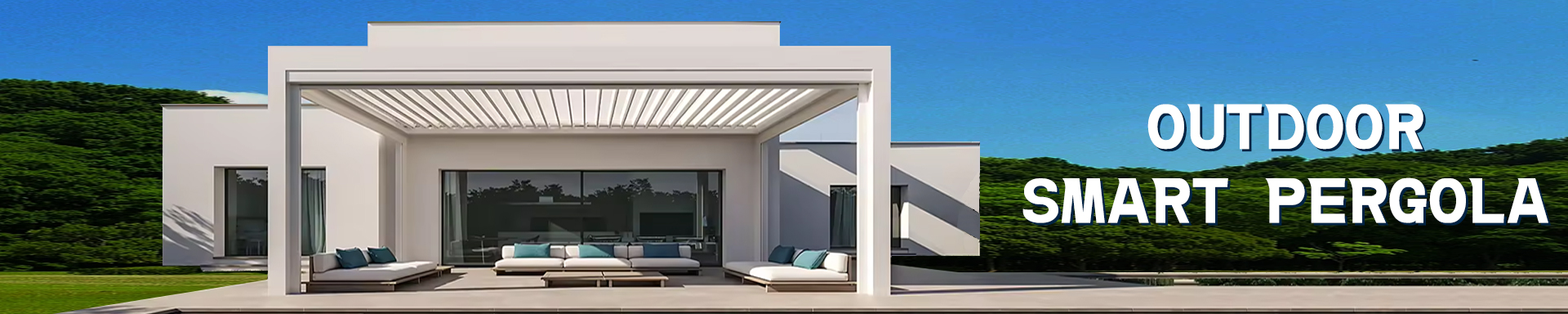
1. Understanding Louvered Pergola Quotes
1.1 What a Louvered Pergola Quote Includes
A louvered pergola quote is more than just a price tag—it’s a detailed breakdown of every element that impacts cost and functionality. Typically, a quote will include dimensions, materials, louver type, finish options, and any customization such as motorized or manual operation. For instance, specifying an Aluminum motorized pergola with powder-coated finishes ensures the supplier factors in all material and labor requirements accurately. Including site details like patio slope or existing landscaping also helps prevent unforeseen costs. A complete quote allows homeowners to compare options confidently and plan their budget effectively.
1.2 Why Fast Quotes Matter for Home Projects
Receiving a louvered pergola quote within 24 hours accelerates decision-making and project planning. Quick quotes reduce downtime in project timelines, allowing you to secure installation slots before peak seasons. Fast estimates also provide clarity on budget feasibility, helping you avoid delays or rushed purchases. When suppliers provide rapid responses, they often highlight urgent factors such as delivery timeframes for custom Aluminum pergola house components or motorized louver systems. This approach gives you confidence in moving forward while maintaining control over design choices and costs.
1.3 Factors Affecting Quote Accuracy
Several elements determine how precise your louvered pergola quote will be. The most critical include:
-
Material Selection – Aluminum, wood, or composite options have different durability and maintenance profiles.
-
Louver System Type – Motorized vs. manual louvers significantly impact labor and component costs.
-
Pergola Size and Customization – Larger spans or unique shapes increase fabrication complexity.
-
Site Conditions – Uneven patios, nearby trees, or existing structures may require additional support or preparation.
| Factor | Example Impact on Quote |
|---|---|
| Material | Aluminum with powder-coat vs. natural wood may vary 20–30% in cost |
| Louvers | Motorized louvers require motors, sensors, and wiring, increasing labor and parts costs |
| Custom Shape | Non-standard dimensions require bespoke fabrication and longer lead times |
By providing all relevant details upfront, including preferred finishes and louver styles, suppliers can deliver a quote that reflects actual project requirements. This reduces revisions, prevents surprises, and ensures your louvered pergola fits perfectly with your outdoor space and lifestyle.
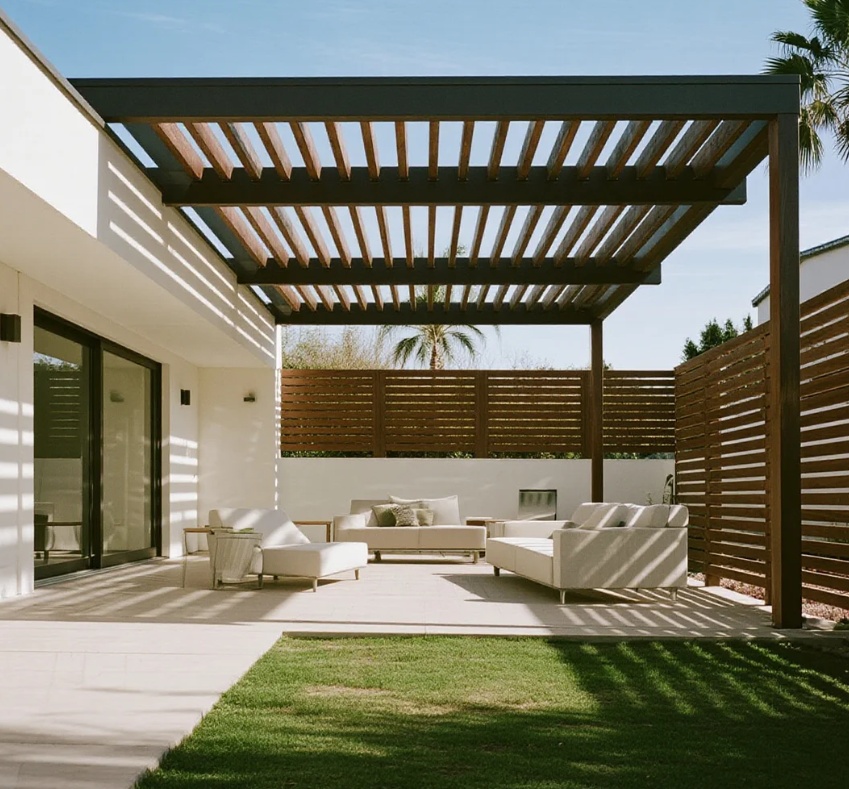
2. Preparing Your Outdoor Space Details
2.1 Measuring Patio or Garden Dimensions Accurately
Accurate measurements are the foundation of a successful louvered pergola installation. Start by recording the length, width, and height of your patio or garden space using a laser measure for precision. Include any uneven surfaces, steps, or slopes that might affect placement. 1. Sketch the layout on graph paper or a digital tool. 2. Note clearance around furniture and pathways to ensure full usability. 3. Mark potential obstacles like overhanging trees or fixtures. Precise dimensions help suppliers provide a detailed quote and prevent costly adjustments during installation, ensuring your louvered pergola fits perfectly.
2.2 Identifying Sunlight, Shade, and Weather Conditions
Understanding your space’s light and weather patterns is crucial for choosing the right louver system. Track sun angles throughout the day to determine areas needing shade or maximum sunlight. Note seasonal variations—summer sun intensity differs from winter angles. If your region experiences high rainfall or wind, this will influence motorized or fixed louver designs. Installing a Aluminum motorized pergola in sun-drenched zones allows adjustable coverage, enhancing comfort and protection. This proactive assessment ensures your pergola performs well year-round while complementing your outdoor activities.
2.3 Noting Existing Landscaping and Fixtures
Take inventory of current landscaping and outdoor features to integrate your pergola seamlessly. Identify trees, planters, lighting, and irrigation systems that could affect installation or louver operation. For example, large trees might require strategic placement to avoid root disruption, while existing fixtures could dictate column locations. Document dimensions and clearances for all obstacles. Proper planning prevents unnecessary modifications and ensures your louvered pergola complements the environment naturally, creating a cohesive and visually appealing outdoor space.
3. Material and Style Choices
3.1 Aluminum vs. Wood Louvered Pergolas
When deciding between aluminum and wood louvered pergolas, focus on durability, maintenance, and aesthetic fit. Aluminum is lightweight, rust-resistant, and can withstand harsh weather without warping. Wood offers a timeless charm but needs regular sealing to prevent rot.
-
Assess your local climate to see which material performs better under seasonal conditions.
-
Factor in long-term maintenance, including staining, sealing, or cleaning frequency.
-
Consider structural flexibility, as aluminum allows wider spans without extra support.
For modern, low-maintenance setups, an Aluminum pergola house works perfectly, while wood suits traditional garden spaces that can accommodate regular upkeep.
3.2 Powder-Coated and Weather-Resistant Finishes
Finishes protect your pergola from fading, scratching, and corrosion. Powder-coated aluminum provides a hard, durable layer that lasts decades, even in humid or coastal regions. Wood finishes, such as weather-resistant paints or sealants, prevent moisture penetration and UV damage.
-
Check warranty coverage to understand expected finish longevity.
-
Match finish type to environmental stressors, like sun exposure or rainfall frequency.
-
Consider color retention and ease of cleaning, especially for lighter shades.
A well-finished louvered pergola ensures minimal maintenance while keeping your outdoor space visually appealing.
3.3 Matching Pergola Design with Home Exterior
Your pergola should complement your home’s style and surroundings. Consider architectural style, siding material, and rooflines when choosing colors, shapes, and dimensions.
-
Coordinate with outdoor furniture and landscaping to create a harmonious look.
-
Ensure dimensions and angles do not block views or pathways for a functional setup.
-
Integrate color palettes that match your home while highlighting your pergola’s design.
Thoughtful alignment enhances curb appeal and makes your louvered pergola look like a natural extension of your outdoor environment.
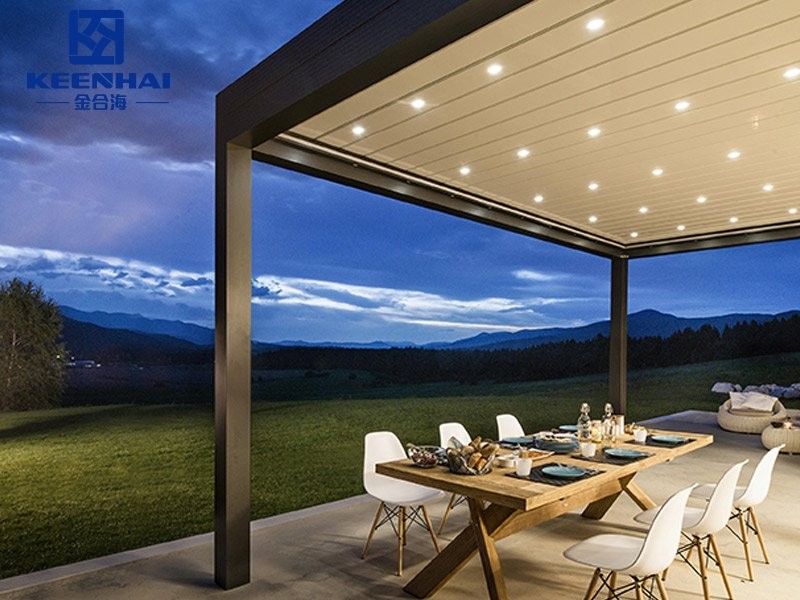
4. Louver System Options
4.1 Manual vs. Motorized Louvers
Choosing between manual and motorized louvers affects convenience, control, and long-term satisfaction. Manual systems are cost-effective and reliable, but require physical effort to adjust. Motorized louvers offer precise control at the touch of a button, ideal for larger louvered pergola installations or areas with frequent weather changes.
-
Evaluate your daily usage – frequent adjustments favor motorized systems.
-
Consider electrical setup – ensure a safe power source for motorized operation.
-
Weigh cost vs. convenience, balancing initial investment with long-term ease.
Motorized setups can integrate with smart home systems, enabling automated responses to sunlight or rainfall, providing unmatched comfort.
4.2 Optimal Louver Angles for Sun and Rain Control
Louver angles determine shade, ventilation, and weather protection. Proper adjustment maximizes outdoor comfort while safeguarding furniture and decking. Adjustable louvers let you control light exposure and airflow, adapting to seasonal shifts.
-
Assess sun path – record sunlight angles throughout the day for ideal shading.
-
Set tilt limits – angles around 30°–45° optimize light control without blocking airflow.
-
Test rain runoff – ensure slanted louvers direct water away from key outdoor areas.
Using precise angles ensures your louvered pergola remains functional year-round, balancing sun, rain, and wind efficiently.
4.3 Ease of Operation and Seasonal Adjustments
Maintaining comfort requires easy louver operation and seasonal tweaks. Systems should allow rapid opening, closing, or angle adjustments, reducing effort during sudden weather changes.
-
Label louver settings for each season to simplify adjustments.
-
Inspect hardware regularly – lubricate hinges and motors to maintain smooth function.
-
Combine manual override with motorized control for flexibility during power outages or maintenance.
A thoughtfully designed louver system keeps your outdoor space consistently comfortable, letting you enjoy sunlight when desired and shelter when needed.
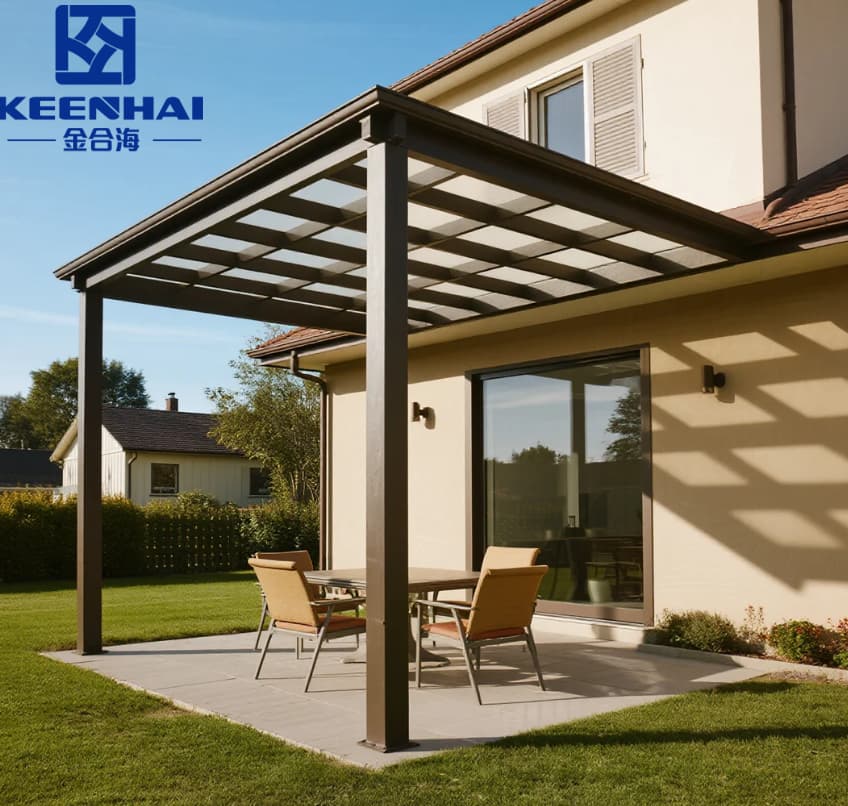
5. Requesting a Quote Efficiently
5.1 Information to Provide for a 24-Hour Quote
To get an accurate quote quickly, prepare precise details about your project. Include dimensions of your patio or garden, preferred louvered pergola model, and material choices. Clear photos or sketches help suppliers visualize your space and minimize back-and-forth.
-
Measure your area – length, width, and height to the nearest inch.
-
Document existing features – decks, planters, or trees that could affect installation.
-
List functional needs – shade, rain protection, or seasonal adjustments.
Providing full details upfront ensures a reliable 24-hour quote and speeds up project planning.
5.2 Communicating Material, Size, and Louver Preferences
Suppliers need precise specifications to give a realistic estimate. Specify whether you want aluminum, wood, or a hybrid structure, as well as color and finish preferences. Indicate manual or motorized louver systems and preferred angle adjustments.
-
Confirm louver type – manual or automated for optimal comfort.
-
Detail material finish – powder-coated, weather-resistant, or custom paint.
-
State size requirements – including overhangs or custom shapes to match your outdoor layout.
Clear communication reduces misunderstandings and ensures your quote reflects the actual project scope.
5.3 Asking for an Itemized Estimate
An itemized quote gives transparency on material, labor, and optional upgrades. Ask suppliers to break down costs for: structure, louvers, installation, and any add-ons like lighting or retractable side panels. Comparing line items across suppliers helps you make a confident decision.
-
Request separate costs – structure, louvers, installation, and extras.
-
Verify labor inclusion – confirm if site prep or mounting is covered.
-
Ask about optional features – motorized controls, sensors, or smart integration.
An itemized estimate allows you to budget accurately and avoid surprises, making your louvered pergola project smoother and more predictable.
Securing louvered pergola quotes in 24 hours ensures you can plan your outdoor space efficiently without losing momentum. By providing accurate measurements, specifying materials, and detailing louver preferences, you allow suppliers to deliver precise and actionable estimates. Fast quotes help homeowners compare options confidently, make informed decisions, and schedule installation without delays, turning your vision into reality promptly.